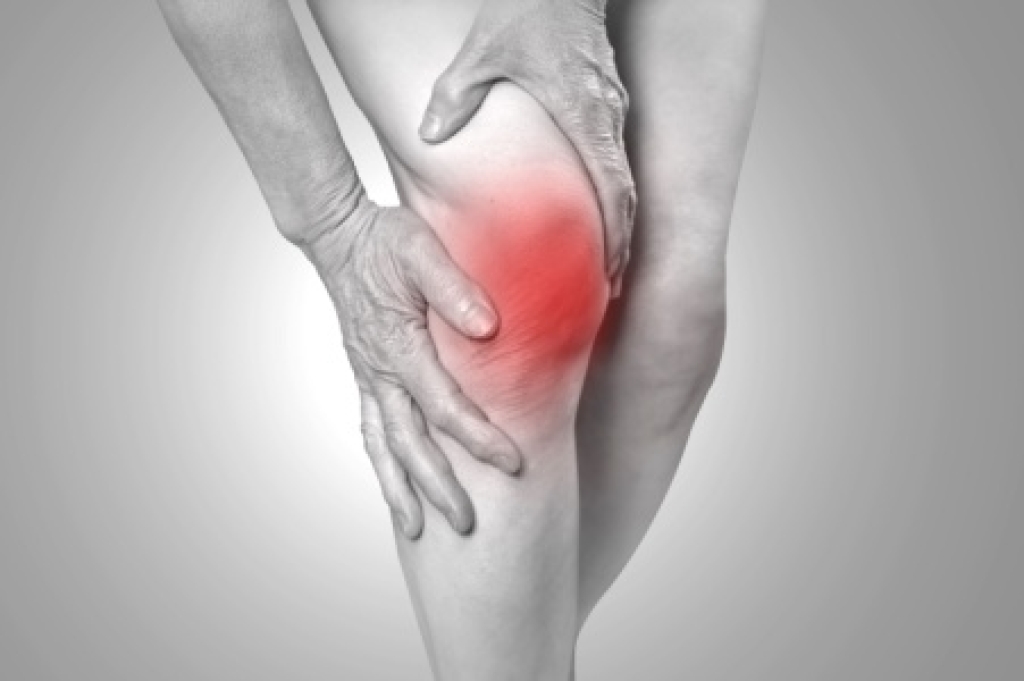
Knee Pain and How Chiropractic Care Can Help

Knee pain can make walking, climbing stairs, and completing daily activities uncomfortable. The knee is a large joint that supports body weight while allowing the leg to bend and straighten. Pain can develop from an injury, repeated stress, or changes within the joint. Problems involving muscles or tendons surrounding the knee can also cause discomfort. Symptoms can include pain, swelling, and stiffness. Some patients notice weakness or difficulty moving the knee through its normal range. Pain can occur in the front, back, or sides of the knee. The location of the discomfort and the activities that make it worse can provide useful information about what is causing the symptoms.

A chiropractor can evaluate knee pain by examining how the knee and surrounding areas move. An examination can include checking range of motion, joint stability, and areas of tenderness. The chiropractor can also evaluate the hips, ankles, and feet. Movement problems in these areas can change how force is distributed through the knee. Chiropractic adjustments can help improve motion in joints that are stiff or restricted. Treatment can also include soft-tissue techniques to address tight muscles and irritated tissues around the knee. A chiropractor can provide targeted exercises designed to improve strength and stability. Care can be based on the patient's symptoms and findings from the examination.

Persistent knee pain can affect mobility and make work or recreational activities more challenging. A chiropractor can identify movement patterns that place added stress on the knee and develop a treatment plan focused on improving function. Better movement in the hips and ankles can also help the lower body work more efficiently. Treatment can be adjusted according to the patient's activity level and response to care. Improving joint movement and muscle function can help the knee handle normal physical demands more comfortably. Chiropractic care can also focus on restoring movement so patients can participate more comfortably in everyday activities. If you have knee pain, it is suggested that you schedule an appointment with a chiropractor for a diagnosis and appropriate treatment.

Knee Pain

Knee pain is a frequent complaint that can arise from injuries, overuse, arthritis, or misalignments in the body. This pain can disrupt daily life, limiting movement and impacting quality of life. Knee discomfort often develops when the body’s structural alignment is off, which places extra strain on the knee joint and surrounding muscles and ligaments.

Chiropractic care focuses on reducing knee pain by assessing and addressing alignment throughout the lower body. Gentle adjustments may be used to realign the knee and correct imbalances in the hip, pelvis, and spine that contribute to excessive knee stress. Restoring alignment in these areas can relieve pressure on the joint, ease pain, and promote improved mobility.

To support these adjustments, chiropractors often incorporate exercises, stretches, and lifestyle guidance to improve strength and flexibility around the knee. Strengthening muscles surrounding the joint can offer additional stability, helping to prevent future injuries.

Is knee pain treatment going to be painful?

Patients may worry that adjustments or other treatments will hurt. Chiropractors reassure patients that the techniques used are generally gentle, with any discomfort being mild and short-lived. They work within the patient’s pain tolerance.

How many sessions will I need?

Frequency and number of sessions depend on the pain’s severity and the patient’s response to treatment. Chiropractors often suggest a treatment plan tailored to the individual, sometimes starting with frequent visits and tapering as improvement occurs.

If you have any questions please feel free to contact our office located in Roanoke, VA . 

Read more about Knee Pain

Causes of Numbness and Tingling

Numbness and tingling are unusual sensations that can affect the hands, feet, or legs. Numbness refers to reduced feeling, while tingling may feel like pins and needles, prickling, or mild burning. These symptoms can occur briefly when pressure affects a nerve, but recurring sensations may indicate an underlying condition. Common causes include peripheral neuropathy, carpal tunnel syndrome, and anxiety. The location, duration, and frequency of symptoms can help identify possible causes. Some people also experience weakness or discomfort along with altered sensation. Although temporary tingling may resolve on its own, persistent or unexplained symptoms require professional attention to help prevent complications and identify appropriate treatment.


Peripheral neuropathy develops when nerves outside the brain and spinal cord become damaged or stop working properly. It commonly affects the feet and hands, sometimes causing numbness, burning pain, or reduced sensitivity to temperature. Symptoms may begin in the toes before gradually spreading upward. Diabetes is a major risk factor, while vitamin deficiencies, certain medications, and nerve injuries can also contribute. Carpal tunnel syndrome occurs when the median nerve becomes compressed as it passes through a narrow space in the wrist. This condition often causes tingling or numbness in the thumb, index finger, and part of the ring finger. Repetitive hand movements, wrist positioning, and certain health conditions can increase the risk.


Anxiety can also cause tingling or numbness, particularly during periods of intense stress or panic. Rapid breathing may change carbon dioxide levels in the blood, contributing to prickling sensations around the mouth or in the hands and feet. Other symptoms include dizziness, muscle tension, and a racing heartbeat. Stress-related tingling may improve when breathing returns to normal, but it should not automatically be attributed to anxiety. Peripheral neuropathy and carpal tunnel syndrome involve nerve dysfunction or compression. Anxiety-related symptoms may result from changes in breathing and the body's stress response. Understanding these differences helps guide appropriate evaluation and care.


A chiropractor can review your symptoms, assess posture and movement, and evaluate whether spinal or musculoskeletal factors may be contributing to your discomfort. Depending on the findings, recommendations may include movement guidance or strategies to reduce nerve irritation. If you are experiencing numbness and tingling, it is suggested that you consult a chiropractor to explore appropriate relief and management solutions.

Numbness and Tingling 

Numbness and tingling sensations can disrupt daily life, often arising from issues like nerve compression, poor circulation, or structural imbalances. These symptoms, commonly felt in the hands, feet, arms, or legs, range from mild pins and needles to persistent discomfort. Conditions such as herniated discs, carpal tunnel syndrome, or peripheral neuropathy are frequent causes, often linked to irritated or restricted nerve pathways. Left untreated, these sensations may worsen, leading to reduced mobility or further nerve damage.
Chiropractic care addresses numbness and tingling by focusing on the root causes. A chiropractor evaluates spinal alignment, nerve function, and contributing factors like posture or muscle tension. Through targeted adjustments and therapies, they relieve nerve compression, improve circulation, and restore function. Lifestyle recommendations complement treatment, offering long-term relief and promoting nerve health.
1. Are numbness and tingling always nerve-related?
Not always. While often linked to nerve compression, these sensations can also result from poor circulation or systemic conditions. Chiropractors assess for nerve involvement and recommend appropriate care or referrals.
2. Can numbness and tingling affect only one side of the body?
Yes, these symptoms can be unilateral, often indicating localized nerve compression or structural imbalances, which chiropractors can identify and treat.
For additional information, please contact our office located in Roanoke, VA . 

 

Read more about Numbness and Tingling

Causes and Symptoms of Neck Pain

Neck pain affects your comfort, mobility, and ability to complete everyday activities. It may develop gradually or begin suddenly after an injury, awkward movement, or a long period of poor posture. The neck contains muscles, joints, and spinal structures that work together to support your head and allow movement. When these tissues become irritated or injured, turning your head may become difficult. Symptoms can include stiffness, reduced mobility, and pain that spreads into the shoulders or upper back. 

Several conditions can contribute to neck pain. Neck strain occurs when muscles or tendons stretch too far, often because of sudden movement, heavy lifting, or prolonged screen use. Muscle pain may feel dull and persistent, while muscle spasms cause sudden, involuntary tightening that limits movement. Nerve compression develops when surrounding structures place pressure on a nerve. This can result in numbness, weakness, or pain that travels down an arm. Diseases affecting the spinal cord, including cervical spinal stenosis and certain inflammatory conditions, may also produce neck discomfort. These problems require careful evaluation because they affect nerve function.


Risk factors include poor posture, repetitive movements, and age-related changes in the spine. Previous neck injuries may also be a factor. Stress may contribute to muscle tension, while prolonged computer use can strain the neck and shoulders. Headaches related to neck problems, sometimes called cervicogenic headaches, may begin near the base of the skull and spread toward the forehead. A clinician reviews your symptoms, medical history, and daily activities before performing an examination of neck movement, muscle tenderness, and nerve function.


Treatment depends on the underlying cause and severity of the pain. A clinician may recommend spinal decompression therapy when appropriate, gentle mobility exercises, or other conservative treatments to improve comfort and movement. Advice about posture, workstation setup, and activity changes can help reduce repeated strain. If you have neck pain, it is suggested that you consult a clinician for an accurate diagnosis and appropriate treatment.

Neck pain is a prevalent issue affecting countless individuals, resulting in discomfort, reduced mobility, and difficulty performing daily tasks. Persistent neck pain can significantly diminish one's quality of life, making it essential to find effective management strategies. Non-invasive treatments, such as spinal decompression therapy, may help relieve certain types of neck pain, restore movement, and improve overall neck function.

Spinal decompression therapy is designed to gently stretch the spine, potentially reducing pressure on affected discs and nerves. By relieving pressure on spinal structures, this treatment may help alleviate pain and stiffness while supporting improved mobility and comfort.

In addition to spinal decompression therapy, clinicians may recommend tailored exercises and stretches designed to strengthen the neck and upper back muscles, improving posture and reducing strain. They may also provide guidance on lifestyle modifications, including ergonomic workplace adjustments and sleep positioning, to further support long-term neck health.

If you have any questions please feel free to contact our office located in Roanoke, VA . 


Read more about Neck Pain